Industrial Manufacturing

A useful production model connects the part being made with the operations and machines that can make it.

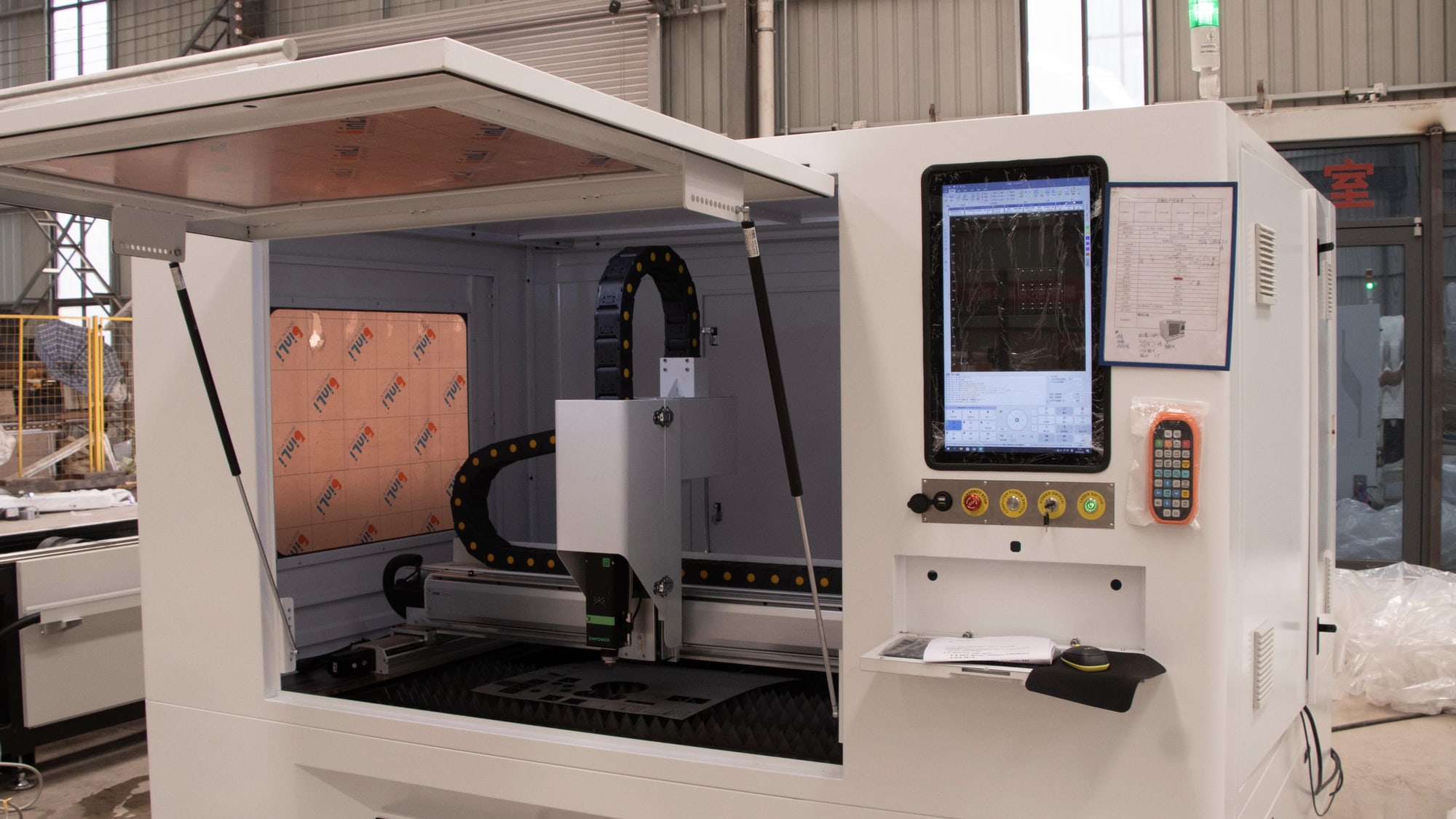
CNC machine with spindle, tooling and control panel in an industrial workshop

A routing is a summary, not the factory

Manufacturing systems commonly represent production as a sequence of operations assigned to work centres. That is useful, but it does not explain why a particular route will work.

Whether a machine can perform an operation depends on the part: its geometry, dimensions, material, tooling requirements, tolerances and previous operations.

Planning improves when the system understands the relationship between the product, the required process and what the factory can physically do.

Work centres have different capabilities

Two machines that look interchangeable in an ERP may have different size limits, tooling, available processes, accuracy or setup requirements.

Those differences determine which operations each machine can perform. A work-centre name alone is not enough to make that decision.

The product changes the process

Products in the same family may require different operations as their dimensions, geometry or specification change. Even a familiar part may need a different route when its material or tolerance changes.

A routing cannot always be treated as a fixed property of a product code. The system needs to derive the required work from the characteristics that matter in production.

More than one route may work

Several machines or process sequences may be technically suitable for the same job. The practical choice depends on availability, setup, cost, processing time and the other work already moving through the factory.

The software should show why a route is suitable and what trade-offs change when another route is chosen.

Time passes between operations too

Setup, movement, queues, cooldown periods and dependencies affect when production can occur. These intervals may be as important to the schedule as the nominal machining time.

A schedule based only on operation duration can look efficient on screen while remaining impossible to run on the factory floor.

Design implication

What this means for software

Before software can optimise production, it needs a dependable model of the factory's capabilities and constraints.

Mesograde connects product characteristics to the operations they require, then matches those operations to suitable work centres. Once those relationships are represented, the system can propose routes and schedules that reflect how the factory actually works.
A practical place to start

Choose one product family and show how its characteristics affect routing. Bring the current routings, machine capability records and the scheduling constraints that cause planners to change course.

This gives Mesograde a concrete production problem to model before considering a wider planning system.

Discuss this workflow

Related work